NMWA’s New Quilt Exhibition Stitches a Powerful American Story
There’s quilting… and then there’s quilted history.
The National Museum of Women in the Arts is getting cozy this Fall with Routed West: Twentieth-Century African American Quilts in California, an ambitious new exhibition bringing nearly 80 quilted works (and more than 70 artists) to Washington.
On view through January 17, 2027, the show makes its East Coast debut with a story that is anything but homespun.
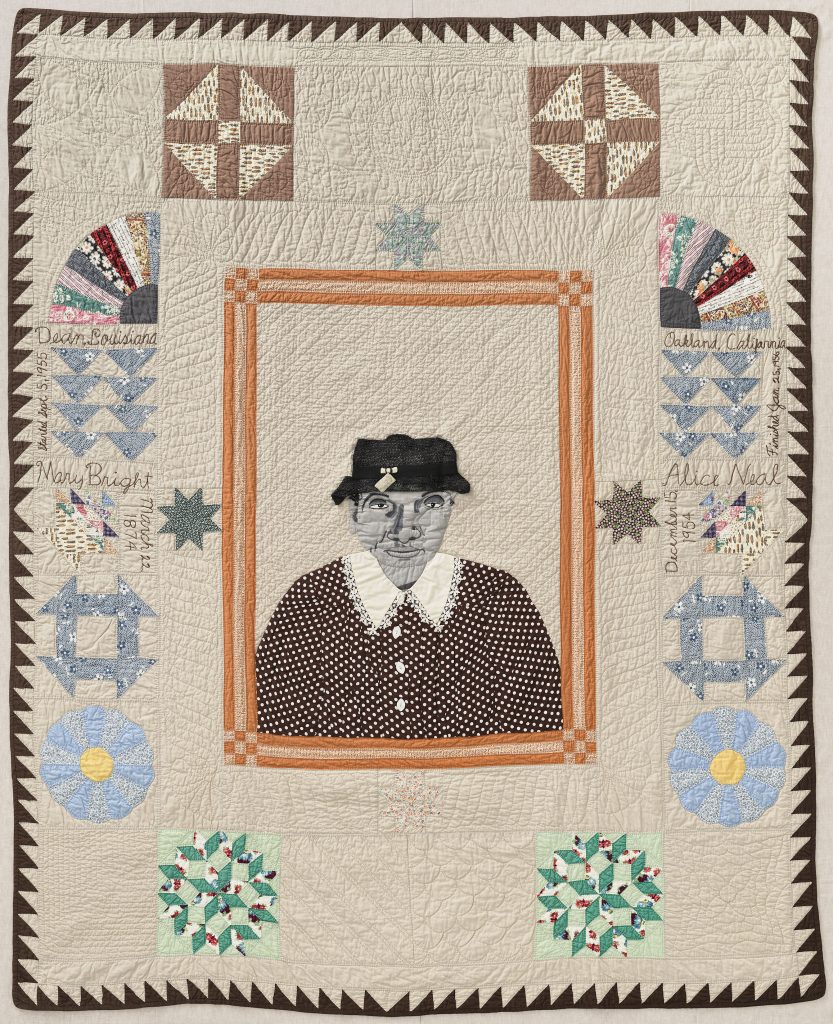
Photo by Kevin Candland
Organized by the Berkeley Art Museum and Pacific Film Archive, Routed West follows Black women who carried quilts west during the Second Great Migration, when roughly five million African Americans left the South for cities across the North and West between 1940 and 1970. In California, those quilts became more than blankets: They were warmth, memory, identity, and inheritance, stitched into portable pieces of home.
And these makers meant business.
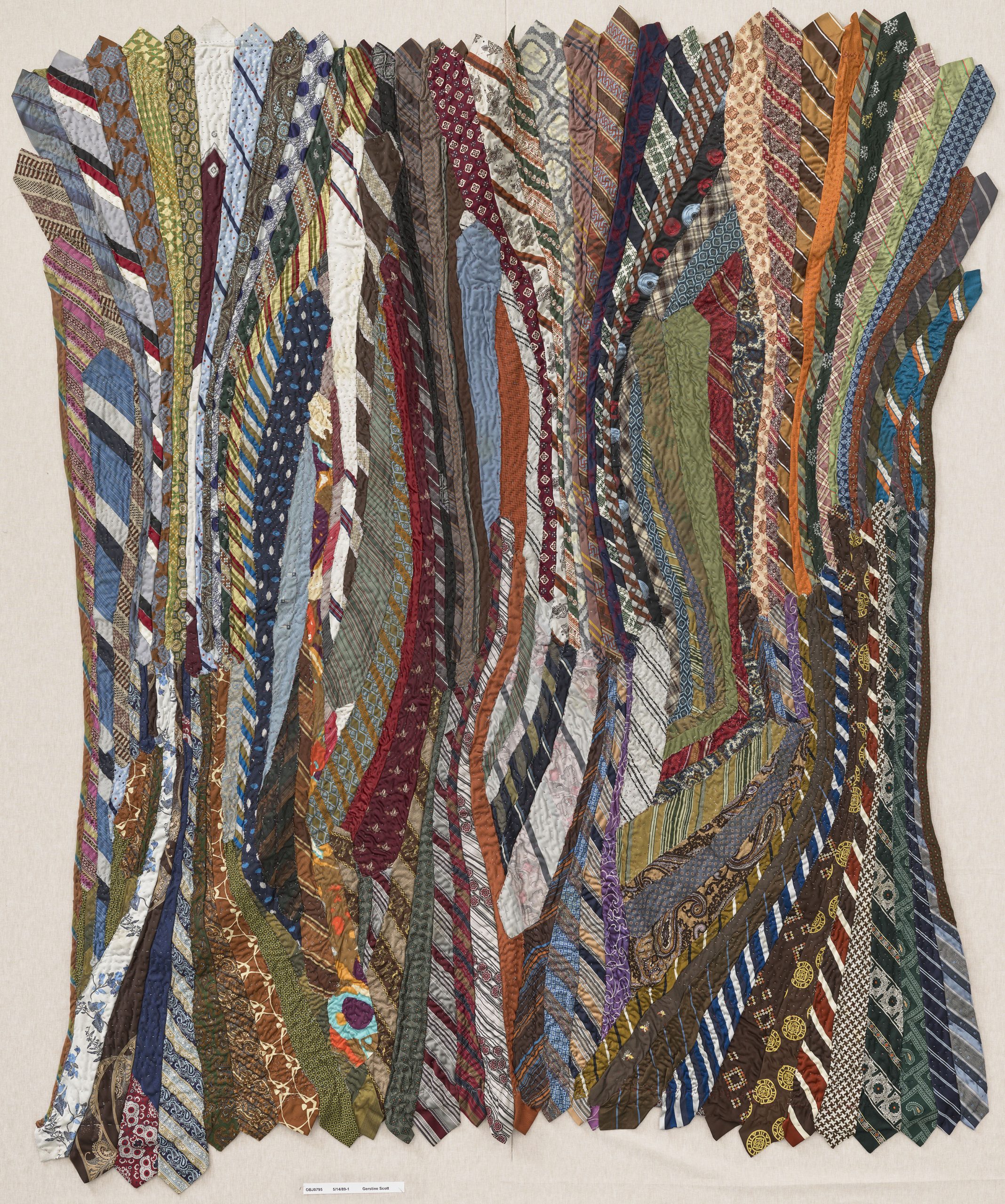
Across five thematic sections, Routed West reveals the ingenuity behind the needlework. Repurposed denim, tobacco pouches, work clothes, satin, nylon, and polyester become canvases for creativity. The results blur the old-fashioned boundaries between “craft” and “fine art”… and make a compelling case that the women wielding needles were artists, archivists, and cultural chroniclers all along.
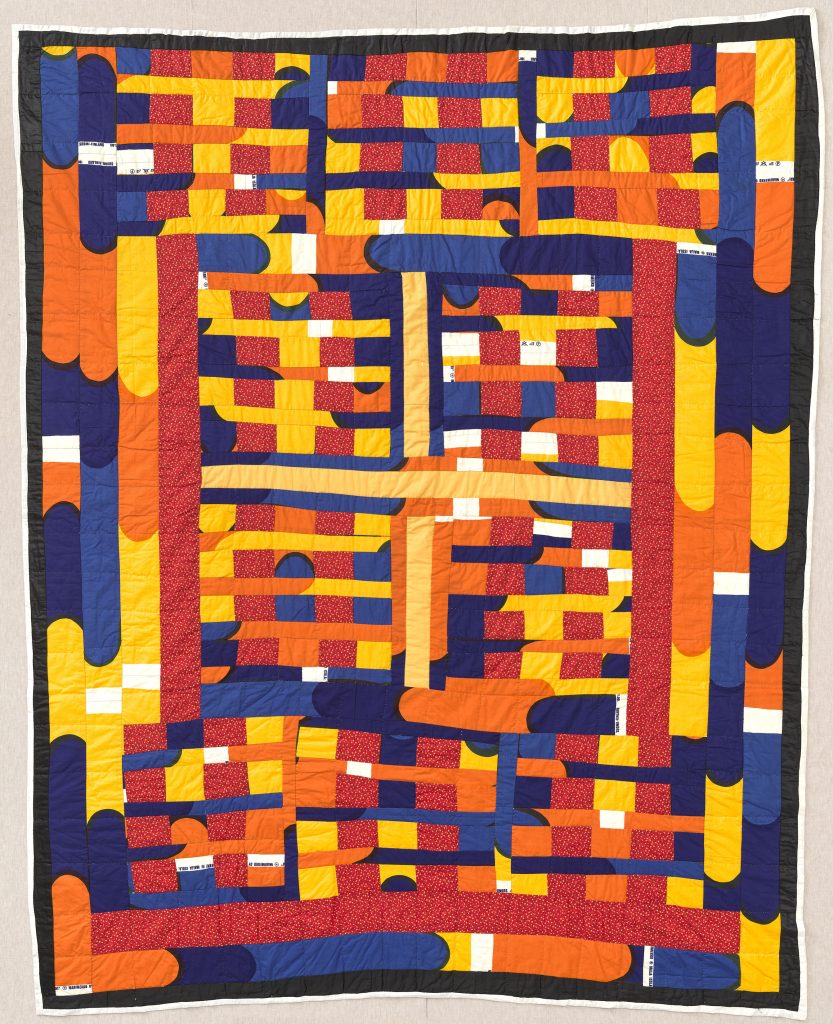
Photo by Kevin Candland, Courtesy of Sherry Ann Byrd
The exhibition’s Southern Roots reaches back to Hattie “Strawberry” Mitchell, born into slavery in 1854, whose botanical quilt records plants she encountered during a 1906 transatlantic trip. Carried and Kept turns quilts into cherished heirlooms, including Alice Neal’s tender tribute to her mother, made from fabric from the dress her mother wore in a photograph.
Then there’s Rooted West, where working women found a creative outlet amid careers as teachers, nurses, seamstresses, truck drivers, and shipyard workers. In Tending Generations, quilting becomes family lore made tangible, with mothers, daughters, sisters, granddaughters, and great-granddaughters passing down patterns, techniques, and stories.
Finally, A Living Tradition brings the narrative into the present, proving that Black quilting is no dusty relic. Contemporary artists continue to use the medium to explore community, history, identity, and resistance.
The takeaway? These quilts are not merely pretty patches. They are survival stories, family records, and cultural declarations, stitched together one scrap at a time.